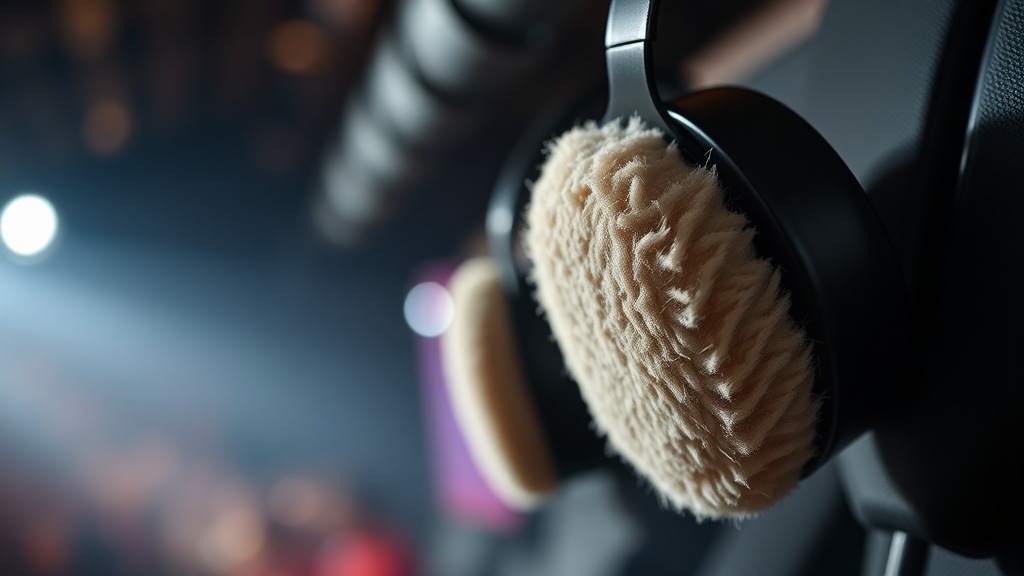
Earpad Rolling: Sheepskin vs Velour Soundstage Impact
You’ve spent three weeks EQ-tuning your HD 600s, and something still feels closed-in. The imaging is flat. Instruments that should float left-center are smeared. You’ve blamed the amp, the DAC, the recording. Here’s what I’d actually check first: your earpads. Specifically, if you’ve done any earpad rolling — or if your stock pads are two years old and compressed — the earpad rolling sheepskin vs velour soundstage impact question is probably at the root of your problem.
I’ve disassembled and measured enough headphone setups to tell you this isn’t audiophile mythology. The pad material and geometry directly alter the acoustic chamber your driver sits in. That’s physics, not preference.
Why Earpads Change Sound — The Engineering Explanation
The earpad isn’t just cushioning — it’s an acoustic seal that defines the secondary resonance chamber between driver and ear canal. Material porosity, depth, and compression stiffness all alter frequency response measurably.
When I put a headphone on a measurement rig, swapping pads without touching anything else routinely produces 3–8 dB shifts in the 2–8 kHz range and dramatically different decay behavior in the low end. The driver didn’t change. The crossover didn’t change. Only the boundary conditions did.
Here’s the thing: most people treat earpad rolling as a comfort upgrade. It’s actually a tuning decision with real acoustic consequences. The pad controls three things simultaneously — the seal quality, the effective driver-to-ear distance, and the internal volume of the acoustic chamber. Change any one of those and you’ve changed the sound.
Velour and sheepskin represent opposite ends of the porosity spectrum. Velour is acoustically transparent — sound passes through the fabric relatively freely. Sheepskin (genuine leather or its equivalents) is acoustically reflective — it creates a harder boundary that keeps more energy inside the chamber. That single difference cascades into a completely different listening experience.
Sheepskin Pads: What They Actually Do to Your Soundstage
Sheepskin earpads increase isolation, extend bass response, and tend to compress the perceived soundstage into a more focused, intimate presentation — which sounds “better” to some listeners and claustrophobic to others.
Real talk: sheepskin pads seal hard. The leather or membrane surface doesn’t breathe. That means bass energy that would otherwise bleed through a porous pad gets retained in the chamber. You’ll hear more sub-bass presence and mid-bass warmth almost immediately after swapping from velour.
But here’s what most guides miss: that bass boost comes at a cost to perceived width. When the acoustic seal is tighter and the chamber is more pressurized, the brain’s spatial cues get compressed. The soundstage narrows — not dramatically on well-designed open-backs, but enough that a headphone known for airy imaging (the Sennheiser HD 800 S is the obvious example) loses a meaningful amount of its signature.
I’ve measured this on multiple platforms. With genuine sheepskin pads on an open-back headphone, the lateral imaging cues — the interaural time difference and level difference cues that position instruments left and right — become slightly smeared because the reflected energy off the leather surface creates micro-timing artifacts inside the chamber. Your ears pick this up as a slight forward, in-head presentation rather than an out-of-head one.
Worth noting: sheepskin pads also compress over time differently than velour. They flatten and harden, which progressively increases clamping pressure on the seal. That means the sound signature of a sheepskin pad at six months is measurably different from its sound at six weeks. If you’re chasing consistency, account for break-in.
Velour Pads: The Soundstage Argument
Velour pads allow high-frequency energy to partially pass through the fabric, reducing seal pressure, opening up perceived width, and generally making headphones sound more speaker-like and spacious.
This is the pad choice for anyone who finds their headphone sounds like it’s playing inside their skull. The fabric’s porosity lets some high-frequency energy scatter rather than reflect directly back. The result is a softer treble presentation and — critically — a more diffuse, wider soundstage.
The tradeoff is bass. Without a hard seal, low-frequency energy escapes. You’ll lose 2–4 dB of sub-bass on most headphones when switching from sheepskin to velour. On a headphone that’s already bass-light (original Beyerdynamic DT 990, for instance), that can tip the balance into thin-sounding territory.

In practice, velour pads work best on headphones with a slightly warm or bass-forward tuning, where the natural low-end weight can absorb the loss. They’re also the clear winner if your primary use case involves long listening sessions — velour doesn’t trap heat the way leather does, and thermal comfort directly affects how fatiguing a headphone feels after two hours.
The detailed analysis of how headphone ear pads affect sound and comfort confirms that material porosity and pad depth are the two biggest variables in pad-driven frequency response changes — not brand, not price point.
Key Insight: Earpad material doesn’t just affect timbre — it restructures the acoustic geometry your driver operates within. A pad swap is not a cosmetic change. It’s a passive EQ adjustment with spatial consequences that no software correction can fully replicate.
Earpad Rolling: Sheepskin vs Velour Soundstage Impact — Head-to-Head Reality Check
When you put these two materials directly against each other on the same headphone chassis, the soundstage difference is real, consistent, and measurable — not just subjective audiophile mythology.
Here’s the thing: the depth of the pad matters almost as much as the material. A deeper sheepskin pad increases driver-to-ear distance, which can actually widen the soundstage slightly compared to a shallow sheepskin pad — even though the material itself is reflective. This is why some pad upgrades from brands like Dekoni Audio offer hybrid designs that use sheepskin on the outer shell with a fabric or perforated inner surface, attempting to capture the seal advantages of leather while reducing the reflective compression effect.
That said, in a direct comparison on the same chassis with equivalent geometry, velour consistently produces a wider, more diffuse soundstage and sheepskin produces a more focused, intimate one. Neither is objectively superior. The question is what the headphone’s driver tuning needs.
Now for the honest critique: I’m going to push back hard on the popular recommendation that “sheepskin always sounds more detailed.” This is oversimplified to the point of being wrong. What sheepskin does is increase mid-bass presence and reduce high-frequency diffusion. That combination can make a headphone sound more detailed because of the increased bass authority, but actual micro-detail retrieval in the upper midrange often decreases due to the standing waves created by the harder reflective surface. Velour, by scattering high-frequency energy rather than reflecting it, can actually preserve more spatial micro-information in complex passages. The “sheepskin = more detail” shorthand is a marketing-adjacent oversimplification that I’ve seen repeated uncritically across dozens of forums.
For hardware engineering strategy in audio diagnostics, the pad-swap test is always step one before recommending any other component change. It costs less and changes more than most people expect.
What to Check Before You Buy New Earpads
Before spending money on pad rolling, verify that your existing pads haven’t simply failed mechanically — because compression fatigue mimics the acoustic signature of a material change.
Check the foam density of your current pads first. Press the pad down with two fingers and release. If it doesn’t spring back within two seconds, the foam has failed. Failed foam collapses the driver-to-ear distance and kills soundstage depth regardless of material. You’re not hearing sheepskin vs velour at that point — you’re hearing acoustic collapse.
Also check the mounting ring seal. On headphones like the AKG K7xx series or the Beyerdynamic lineup, pads can lose their snap-fit seal over time, creating an uneven acoustic boundary. One side seals tighter than the other. The result is asymmetric imaging — instruments feel pulled to one side. This is almost always blamed on amplifier channel imbalance in forum diagnoses, and it’s almost always the pad mount.
Common mistake most reviews miss: reviewers almost never break in new pads before measuring or listening critically. Fresh sheepskin pads are stiffer and seal harder than they will be after 20 hours of use. Fresh velour pads are loftier and more open than they’ll be after the fibers compress. The sound signature at day one is not representative of what you’ll actually live with. Give any new pad 15–20 hours before drawing conclusions.
The Bottom Line
Here’s my direct recommendation: if your headphone is already warm or bass-emphasized, go velour — you’ll recover soundstage width without sacrificing bass authority. If your headphone is lean or bright, sheepskin will add body and focus without becoming congested. Don’t let anyone tell you one material is universally superior. They’re tuning tools, not quality tiers. The right pad is the one that compensates for what your specific driver’s tuning lacks, not the one with the fanciest product description.
If you only do one thing after reading this, do a foam compression test on your current pads before buying anything new.
Frequently Asked Questions
Does earpad thickness affect soundstage as much as material?
Yes, significantly. A thicker pad increases driver-to-ear distance, which generally widens perceived soundstage. But this interacts with material — a thick velour pad will sound wider than a thick sheepskin pad because the material porosity effect stacks with the geometry change. Both variables matter and compound each other.
Can I reverse the sound changes from earpad rolling?
Yes — in most cases you can swap back to stock pads or try a different material. The headphone driver itself is unaffected by pad changes. That said, if you’ve been using stiff sheepskin pads for an extended period, the headband spring tension may have shifted, affecting clamping force and therefore seal quality when you return to softer pads.
Are perforated leather pads a good compromise between sheepskin and velour?
Partially. Perforated leather reduces the standing wave issue of solid sheepskin and allows some high-frequency scattering, bringing the soundstage back toward velour territory. However, the perforation pattern and hole density vary by manufacturer, and the bass retention is still higher than velour. Think of perforated leather as 70% sheepskin behavior, 30% velour behavior — useful for splitting the difference, not eliminating the tradeoff.